How to Pack for Two Weeks in a Carry On
A practical step-by-step plan for packing two weeks into a carry on: capsule wardrobe formula, toiletry rules, packing techniques, and laundry tips.
Buy the Thule Compression Cube Set. Compression packing cubes live or die on their zippers, because the compression zipper is the part you strain every single trip, and the Thule set pairs YKK zippers with ripstop fabric that testers rank as the most durable in the category. Two cubes, a small and a medium, for about 54 dollars, and they squeeze more air out of your clothes than almost any zippered cube tested. The rest of this guide is for different packers and different budgets, and it ends with the honest part most roundups skip: compression cubes are the wrong buy for some trips, and I will tell you which ones.
I spent a decade buying travel accessories for airport shops, so I read the returns reports as well as the marketing. For this guide I also went back through the current tested rankings, where reviewers compress dozens of these things until the zippers give up, so the picks below are not just my taste.
Some links here are affiliate links, which means Intastravel may earn a commission if you buy through them. It does not change which products we pick or what we say about them.
I care about four things, and the color options are none of them.
The zippers come first, and on a compression cube they are almost the whole product. A normal packing cube’s zipper closes fabric. A compression zipper fights a spring-loaded block of clothing every time you cinch it, and when a no-name zipper track fails, the cube is garbage. YKK on a compression cube is not a detail. It is the buy signal.
The fabric comes second. Thin fabric bulges into a ball when the cube is full, which wastes the space the cube was supposed to save. A cube that holds its shape packs flat against the next one.
Sizes come third, and my rule from years of buying these is unchanged: buy the medium sizes and skip the tiny ones. The small cubes always end up half empty, and you carry the extra zipper weight for nothing.
Honesty about what compression does comes last. A compression cube does not shrink clothes. It squeezes the air out from between them, which works brilliantly on bulky knits and fleece and barely at all on denim. Buy them for the fabrics you actually pack.
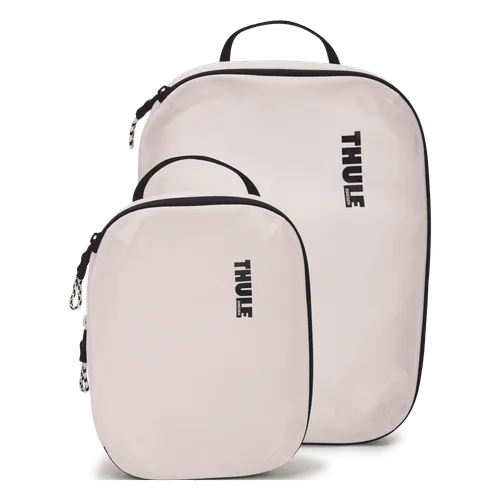
Photo: Thule
This is the set I recommend to most people, and it has quietly become the pick testers hand to their own families. The fabric is a ripstop nylon that feels a class above the crinkly material on most cubes, and it is opaque, which does two underrated jobs: nobody in seat 14B sees your underwear when you open your bag, and yesterday’s shirt smells stay inside the cube. The YKK compression zippers are the reason this is the top pick. They cinch a full load down without the grinding, about-to-derail feeling cheaper cubes give you, and testers rate the compression among the best of any zippered cube.
The honest trade-offs are small but real. That sturdier fabric weighs more than the ultralight competition, so gram-counters should look at the Eagle Creek pick below. There are only two sizes, and some travelers want a third small cube for underwear and socks. And the Thule logo is big enough to see from across a hostel dorm, if that sort of thing bothers you.
Buy this if you want compression cubes you never have to think about again. The rest of the list is for lighter, cheaper, or bigger needs.
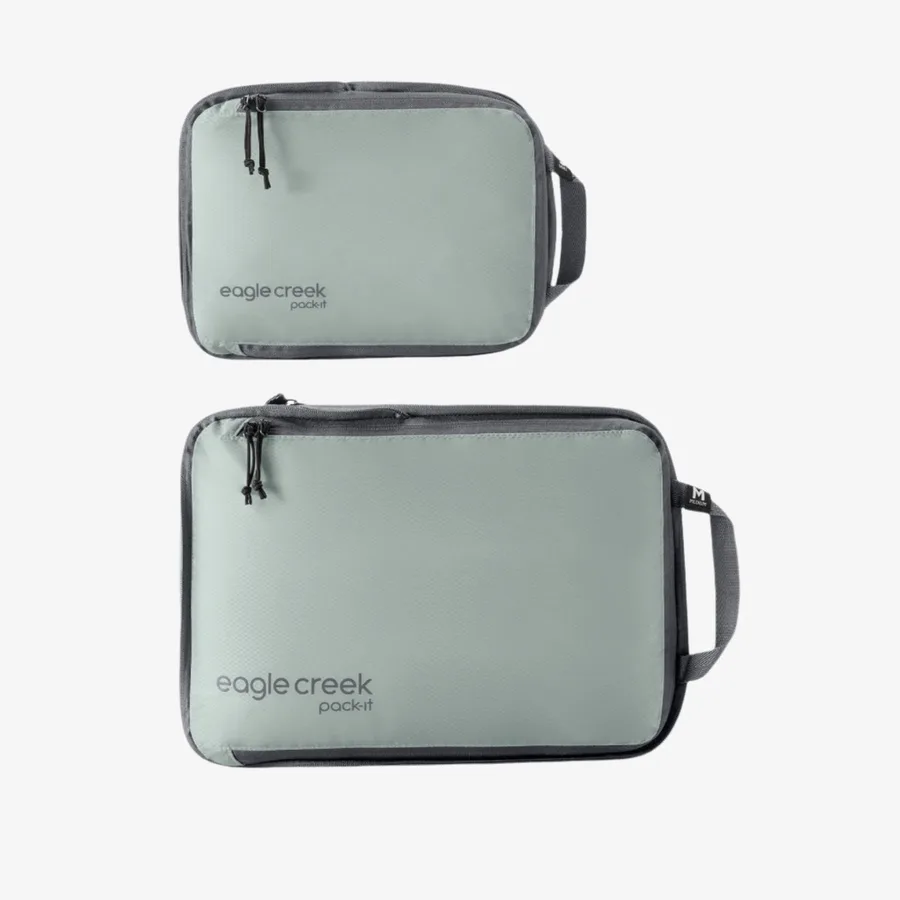
Photo: Eagle Creek
Open nearly any packing-cube thread on Reddit and someone recommends these, and the reasons hold up. The fabric is astonishingly light, made from ocean-recycled material without PFC or PFAS chemistry, and the small-plus-medium set covers a full carry-on load for 50 dollars. Testers who use them constantly report the unbranded zippers holding up and running smoothly under compression, which is not nothing at this weight.
The honest catches are the flip side of that lightness. The material is so thin it feels cheap in hand, and a full cube bulges in the middle instead of holding a flat brick shape, which costs you a little of the space you compressed to save. The price has also crept up over the years, so the value argument is thinner than it once was.
Buy them if every ounce matters and you trust the crowd that lives out of one bag. Skip them if you want a cube that feels as solid as it zips.
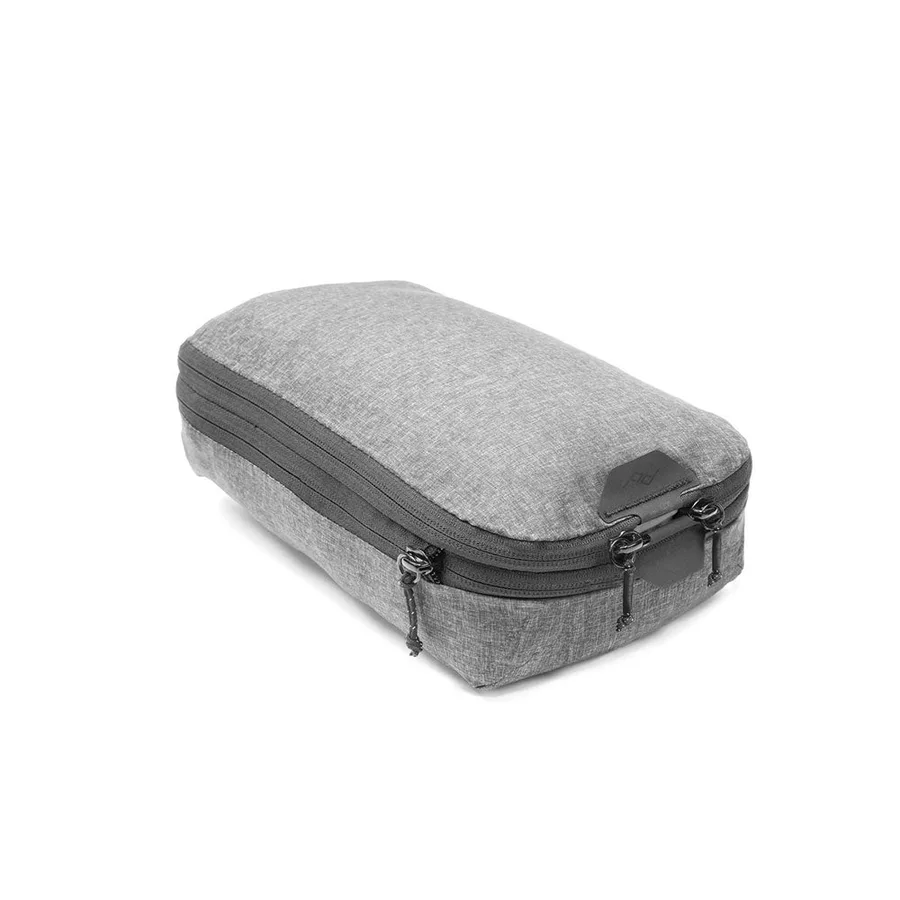
Photo: Peak Design
This one solves the moment every cube owner knows: you need the one shirt at the bottom, mid-journey, and unzipping the whole compressed cube means repacking the whole compressed cube. Peak Design’s answer is a tear-away tab between the zippers that rips the cube open in one motion, then closes again. The fabric mix includes a self-healing face that shrugs off small punctures, and the small at about 30 dollars and medium at about 40 combine into whatever set your trip needs.
Here is what should give you pause at this price. The zippers are not from a brand with a long track record, which is a strange corner to cut on a compression product, and the two main zippers do not quite meet, leaving a small gap in the track where water can sneak in and smells can sneak out. Testers have not had failures, but you are paying top dollar partly for the badge.
Buy it if you live out of your bag and open your cubes daily. Skip it if you pack once, unpack once, and would rather put the extra 20 dollars toward dinner.
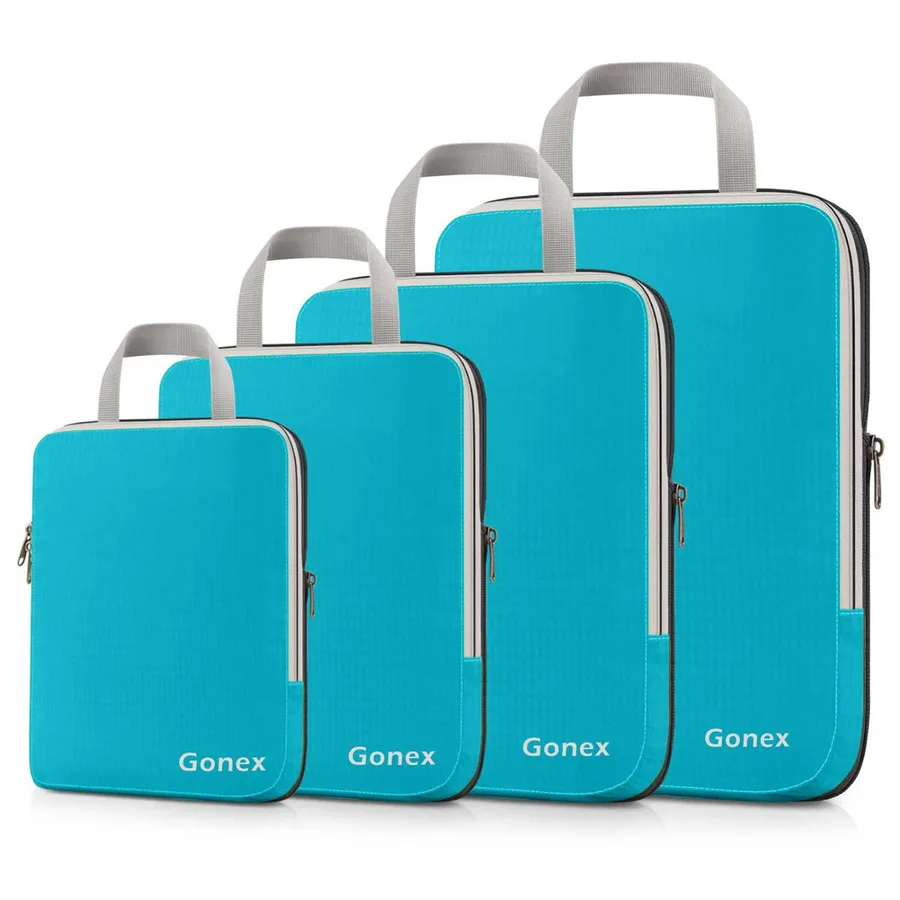
Photo: Gonex
Four compression cubes for about 27 dollars, which is less than one boutique cube, and testers call them surprisingly sturdy for the price. If you have never used compression cubes and want to find out whether they suit how you pack, this is the cheapest respectable way to learn, and every piece of clothing gets its own home in the four sizes.
The honest trade-offs are exactly where you would expect. The compression zippers are unbranded and they tend to catch on the interior liner unless you zip carefully, which is the failure point I warned you about in how I pick. The thin fabric bulges when full, and the openings run narrower than the pricier cubes. Treat the zippers gently and these are a bargain. Yank them like YKKs and they will not forgive you.
Buy them to try the category without commitment. Skip them if you already know you are a compression convert, because the Thule set will outlive three of these.
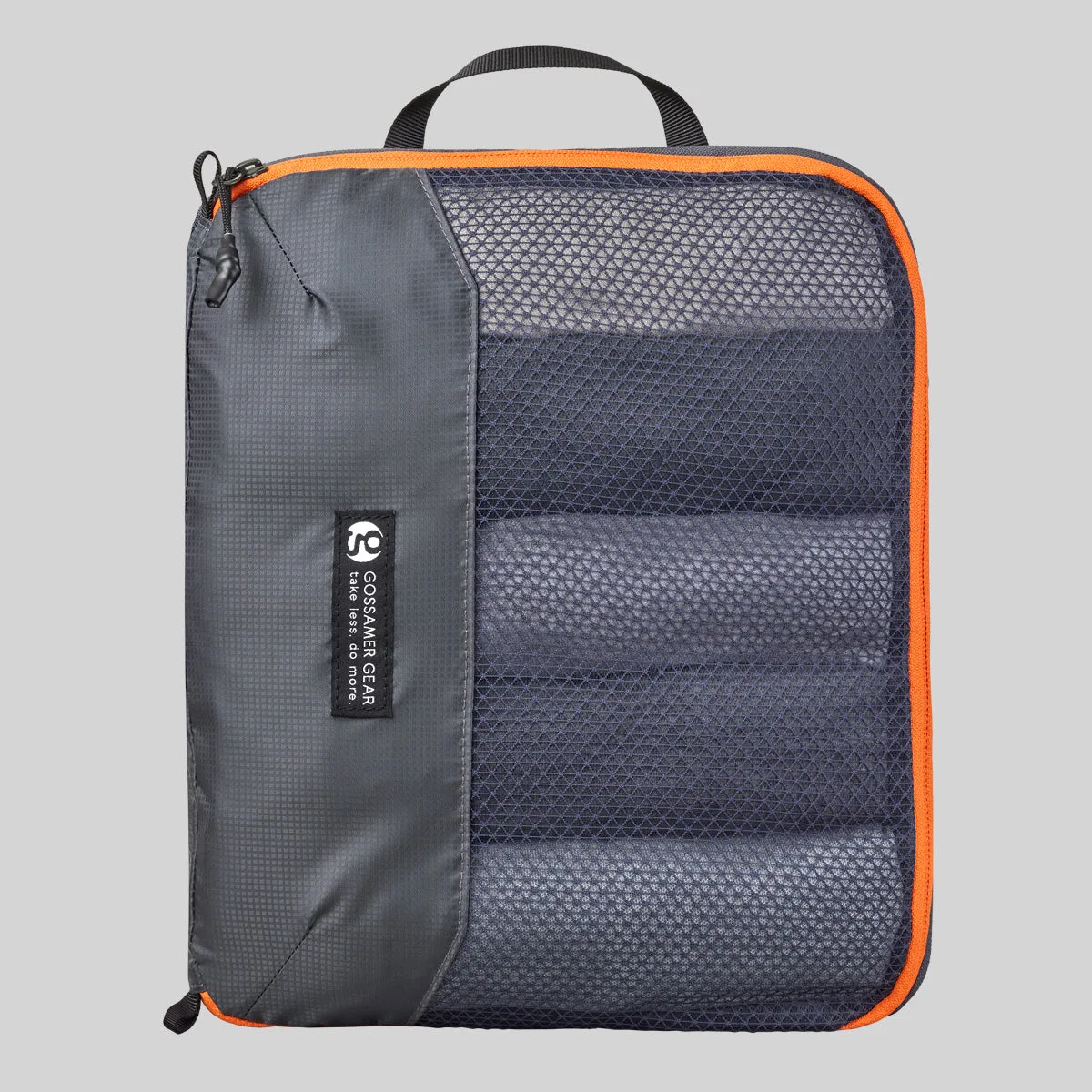
Photo: Gossamer Gear
Compression earns its keep on bulky fabrics, and these cubes from an ultralight backpacking brand are sized for exactly that job. The 6 and 12 liter sizes run bigger than most compression cubes, which is what you want for fleeces, sweaters, and winter layers, and the compression genuinely reduces the bulk, especially if you roll your clothes first. The dual zippers are color-coded so you do not decompress the cube you meant to open, at 20 to 25 dollars each. The mesh panel also lets you see what is inside, which the opaque cubes on this list cannot do.
The honest trade-offs come from that size. In a small bag one of these can swallow most of the main compartment, so minimalist packers should size down the list. There is no small option, and no separate compartment for dirty clothes, so a week of worn layers shares air with the clean ones.
Buy them for winter trips and bulky wardrobes. Skip them for a summer bag of t-shirts, where compression barely earns its zipper weight.
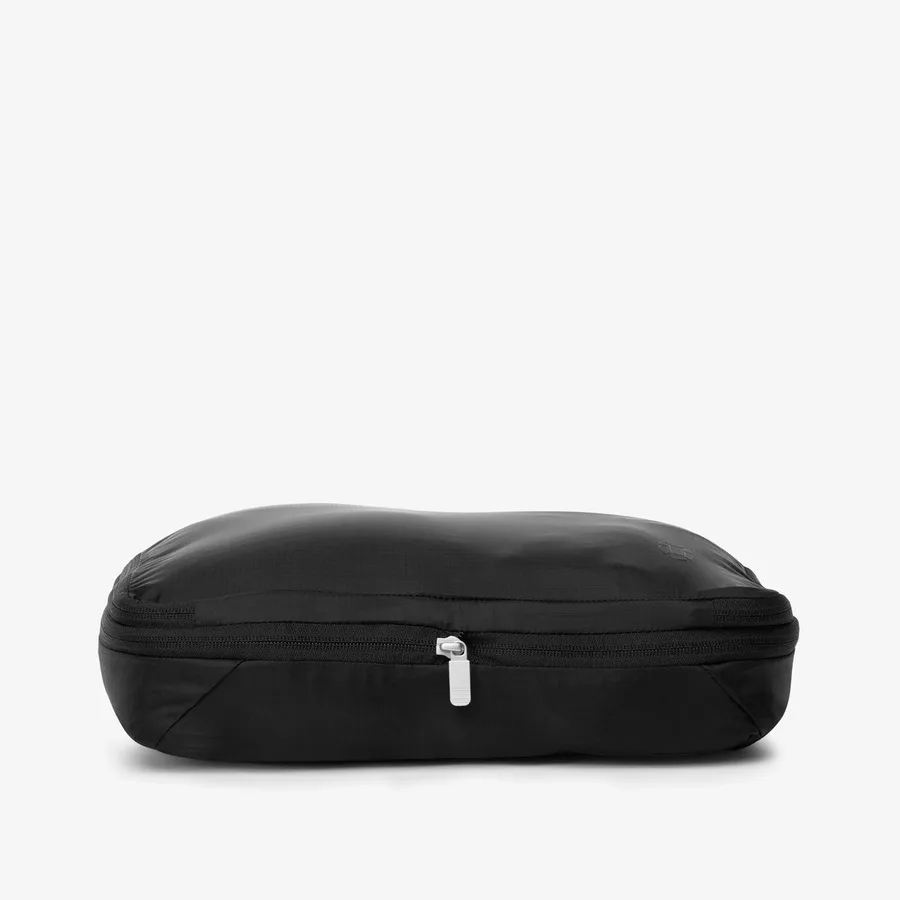
Photo: Tortuga
Some people do not want a system. They want one good cube that takes the clothing brick from point A to point B, and this is that cube. The 70 denier ripstop nylon is tough without adding bulk, and the YKK zippers compress a heavy load without ever feeling like they are about to jump the track, which is the exact failure that kills cheaper cubes. The two zippers are different colors so you do not accidentally pop the compression when you meant to open the lid.
The honest catches are its plainness. It comes in one size and one color, black, so building a multi-cube system means buying the same cube twice or mixing brands. And at 50 dollars for a single cube, you are paying Thule-set money for one piece.
Buy it if you pack one cube and want it bombproof. Skip it if you want a set, because the Thule pair costs about the same.
| Cube | Best for | The honest catch |
|---|---|---|
| Thule Compression Cube Set | Most travelers: durable, YKK, top compression | Heavier fabric, big logo, no small size |
| Eagle Creek Isolate Set | Gram-counters and one-bag travelers | Thin fabric feels cheap, bulges when full |
| Peak Design Packing Cube | Living out of your bag, daily access | Unbranded zippers, gap in the zipper track |
| Gonex 4-Piece Set | Trying compression cubes for $27 | Zippers catch the liner, thin fabric |
| Gossamer Gear Cubes | Winter layers and bulky clothes | Too big for small bags, no dirty separation |
| Tortuga Compression Cube | One bombproof cube, no system | One size, one color, pricey per cube |
Here is the honest paragraph the product pages leave out. Compression cubes genuinely save space on bulky clothes. They do nothing for a week of t-shirts, so do not buy them for a summer beach trip. The physics is simple: compression squeezes the air out from between fabric layers, and thin cotton and synthetics hold almost no air to squeeze. Denim barely compresses at all.
Skip compression cubes if your packing problem is weight rather than space. A compressed bag holds more, and more is heavier, which is how people compress themselves straight into an overweight fee.
Skip them too if you never fill your luggage. Compression is a tool for the traveler fighting the zipper, not the one flying with room to spare. A regular packing cube, or none, organizes a half-empty bag just as well without the extra zipper weight.
Buy them for winter trips, long trips, and one-bag travel, where turning a pile of knits into a dense brick is the difference between checking a bag and not. That is where they stop being a gadget and start being the system.
Once the cubes are sorted, the rest of the kit is the toiletry bag that hangs and the pouch that tames your cables. Those are guides of their own.
For most travelers, the Thule Compression Cube Set is the one I recommend. The YKK compression zippers and durable ripstop fabric address the two ways compression cubes die, and testers rate its compression among the best of any zippered cube. The set’s small and medium pair covers a typical carry-on load for about 54 dollars.
Yes, on the right clothes. They squeeze the air out from between layers, so bulky knits, fleeces, and winter layers compress dramatically, while t-shirts and denim barely change. As a rule, the puffier the pile, the more a compression cube earns. For a bag of summer basics, a regular cube does the same organizing job with less zipper.
They add wrinkles, not damage. Clothing that lives compressed for days comes out creased, especially woven shirts, so pack wrinkle-prone pieces flat or in a folder and give the compression cubes your knits, underwear, and socks. Rolling clothes before compressing reduces both bulk and creasing.
Fewer than the sets suggest. One medium for main clothing and one small for underwear and socks covers most carry-on travelers, which is exactly why the two-piece Thule and Eagle Creek sets are the ones to buy. Buy the medium cubes and skip the tiny ones. The small cubes always end up half empty, and you carry the extra zipper weight for nothing.
A practical step-by-step plan for packing two weeks into a carry on: capsule wardrobe formula, toiletry rules, packing techniques, and laundry tips.
A Manta Sleep mask review of the original, PRO, Silk, Weighted, and Cool: what each costs, who it suits, and the honest trade-off before you buy.
Luggage sets worth buying, chosen from tested rankings and real owner reviews: our top pick, honest trade-offs, and who should skip a set entirely.