The Compression Packing Cubes That Earn Their Space (and Who Should Skip Them)
Compression packing cubes worth buying, chosen from tested rankings and one-bag traveler picks: our top set, honest trade-offs, and who should skip them.
Two weeks of travel fits in a carry on. I know that sounds wrong, but it works, and once you do it you’ll never go back to checking a bag. The trick isn’t packing less stuff, it’s packing the right stuff in the right order.
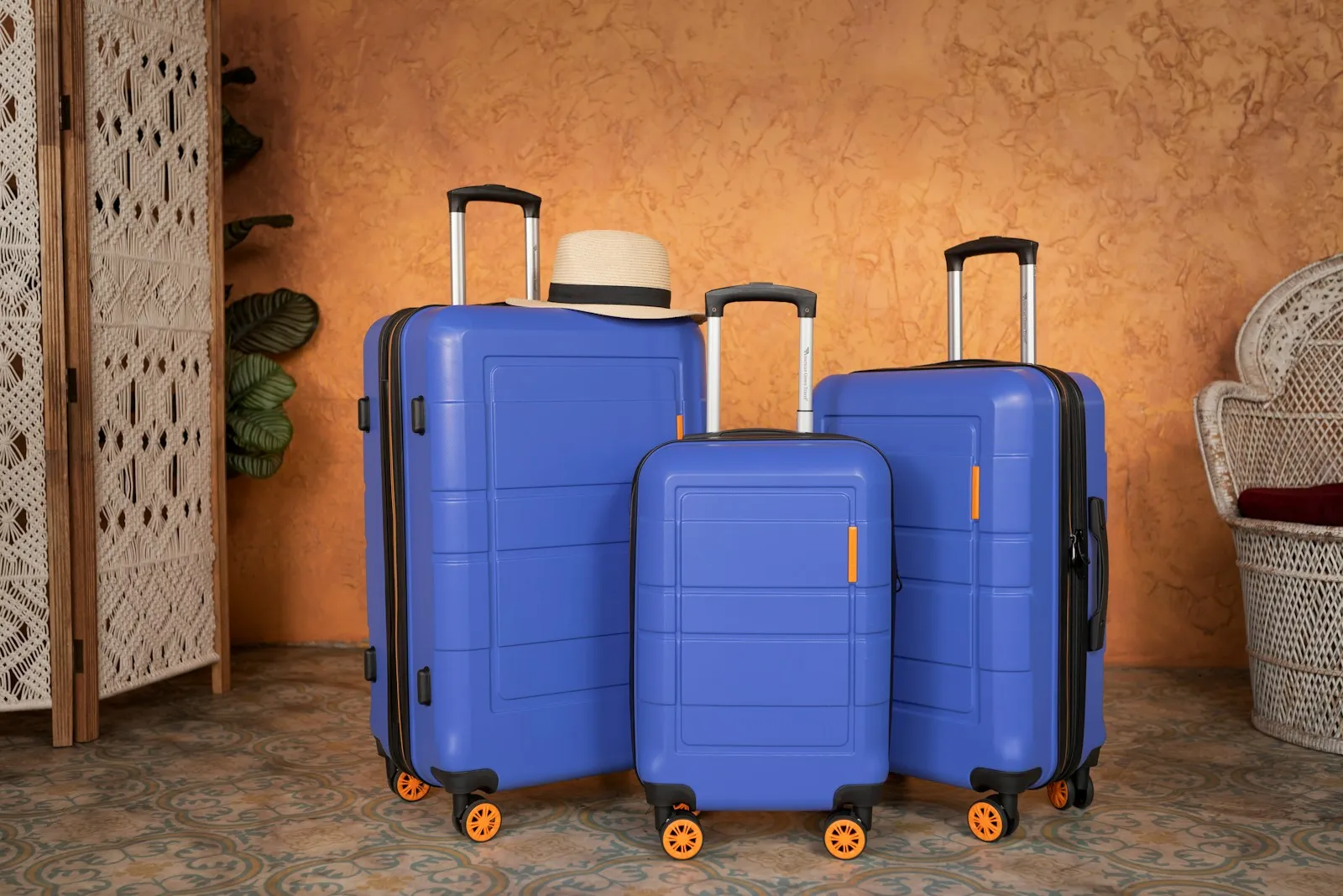
Before you fold a single shirt, you need to know what bag you’re working with. Most airlines allow a carry on up to 22 x 14 x 9 inches and a personal item (usually a backpack or tote) that fits under the seat. Those dimensions vary by carrier, so check your airline’s page before you buy or pack anything.
The carry on is for clothes and the bulkier items. The personal item is your day bag, and it does double duty as a daypack once you land. One YouTube creator recommends using a backpack as your personal item specifically because it distributes weight evenly and doesn’t leave you lopsided through a long airport.
Now, your bag weight. Most carry‑on limits sit around 7 kg (about 15 lb) for budget carriers, and up to 10 kg for full‑service airlines. The problem is almost no packing guide tells you how much individual items weigh. You’re on your own there. Weigh your packed bag before you leave to stay within limits. Don’t guess.
One more thing before you start pulling clothes: check the weather at every destination on your itinerary. Not just the season, the actual 10‑day forecast. Summer in Paris can be 55°F. Summer in Rome can be 100°F. These are not the same packing list. If you’re planning a winter city trip like Vienna in January, your layering strategy changes completely compared to a beach‑heavy itinerary.
Once you know your bag dimensions, your weight limit, and your destination weather, you’re ready to build your list.
Clothing takes up the most space in any two-week pack. Across the packing guides we reviewed, clothing made up about 34% of all items, but the median recommended quantity was just one piece per item. That’s the whole game: fewer pieces that do more work.
The formula that works best for most trips is this one, adapted from the capsule method:
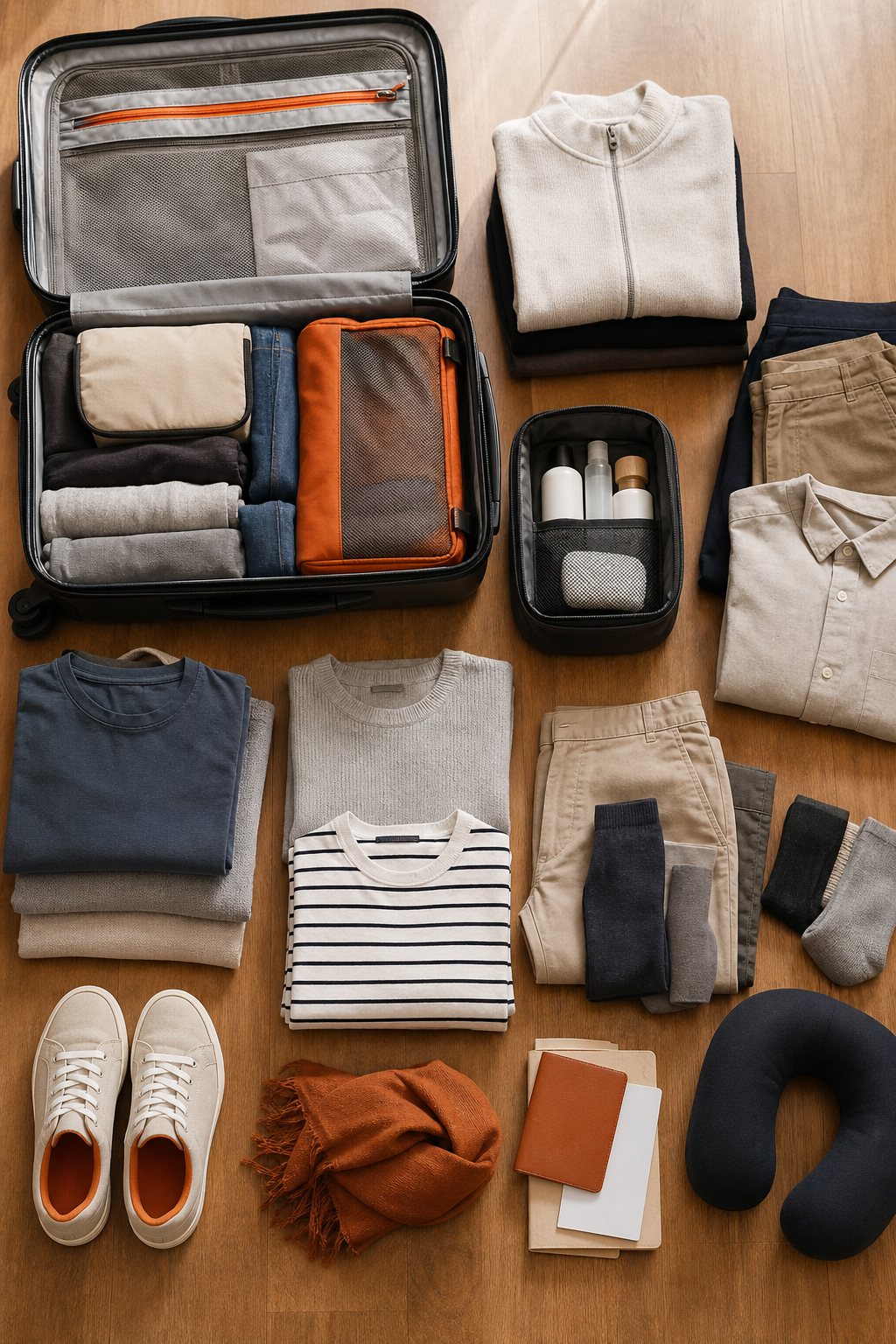
For a 14-day trip: 7 bottoms, 12-14 tops, 2 layers, 3 shoes. That sounds like a lot until you realize you’re re-wearing bottoms 2-3 times each and mixing tops across all of them.
Stick to a neutral color palette so everything mixes and matches. Black, navy, white, grey, and one accent color give you the most outfit combinations from the fewest pieces. Pants from Gap or similar basics in neutral tones are a reliable anchor. Pack 2 travel bras (wear one, pack one) and choose merino wool socks where you can. Merino wool socks can be worn multiple times before washing, and when you do wash them they dry within a few hours.
Don’t forget a light, waterproof jacket. It won’t take up much space if you roll it, and you’ll be glad you have it when the weather turns or the restaurant is over-air-conditioned. If your trip includes any beach time, pack swimwear. It’s flat, it’s light, and you can’t buy a good one at 9pm when you need it.
| Category | Item | Quantity | Notes |
|---|---|---|---|
| Tops | T-shirts / blouses | 6-8 | Neutral colors, mix-and-match |
| Tops | Long-sleeve / layering shirt | 2 | Doubles as a layer in cold weather |
| Bottoms | Jeans | 1 | Wear on travel days; re-wear 3x |
| Bottoms | Shorts / skirts / trousers | 3-4 | Lightweight, packable fabrics |
| Layers | Cardigan | 1 | Restaurants, flights, cool evenings |
| Layers | Waterproof jacket | 1 | Packs small, essential backup |
| Footwear | Walking shoes / sneakers | 1 pair | Wear on the plane to save space |
| Footwear | Sandals or flats | 1 pair | Lightweight, packable |
| Footwear | Flip flops | 1 pair | Beach, hostel showers, pool |
| Underwear | Underwear | 5-7 | Hand-wash and rotate |
| Underwear | Socks (merino wool) | 4-5 pairs | Re-wear, fast-dry |
| Optional | Swimwear | 1 | If beach or pool on itinerary |
| Optional | Pajamas | 1 set | Lightweight, can double as lounge wear |
Shoes deserve special attention because they eat space. Wear the bulkiest pair on the plane. Pack only shoes that compress or flatten, like knit sneakers, leather sandals, or flat slip-ons. High heels are not compressible and not usable for cobblestones. Three pairs is the hard limit. If you’re building outfits for a trip like a January city break with a mix of indoor and outdoor activities, a warm boot, a walking shoe, and a casual flat covers almost everything.
Pro Tip: Before you pack, lay out your bottoms and pick two tops for each one. That exercise alone will tell you if your tops are actually versatile or if you’re packing pieces that only work with one outfit. Cut anything that doesn’t pair with at least two bottoms.
Toiletries are where most people blow their carry-on budget. The TSA’s 3-1-1 rule limits liquids, gels, and aerosols to containers of 3.4 oz (100ml) or less, all fitting in one quart-sized clear bag. That’s the law for U.S. flights, and most international security checkpoints follow the same standard.
The key move is transferring everything into smaller bottles. You do not need 3.4 oz of face wash for two weeks. One creator tested a 2-oz bottle on a three-week trip and came home with product left over. Buy 1-oz or 2-oz refillable bottles and fill them from your full-size products at home.
The core toiletry list is consistent across every source we looked at: toothbrush, toothpaste, shampoo, conditioner, body wash, sunscreen, and insect repellent (if you’re going somewhere that needs it). That’s it. Everything else is optional.
A few ways to cut further:
For electronics, your phone does most of the work. It’s your map, camera, guidebook, boarding pass, and translator. Beyond the phone, the list is short: charging cable, a compact power adapter for international outlets, and a small portable battery if you know you’ll be out all day. A laptop or tablet is optional and adds real weight. Think hard about whether you actually need it before it goes in the bag.
Documents go in your personal item, not the main carry on. Keep your passport, travel insurance card, and any printed reservations in one flat pouch. If you’re traveling with jewelry, use a small pouch to keep your pieces safe and prevent tangling.
One honest note on toiletries: if you’re staying in hotels for most of your trip, they’ll have shampoo and body wash. You may not need to pack those at all. Check your accommodation before you default to packing everything.
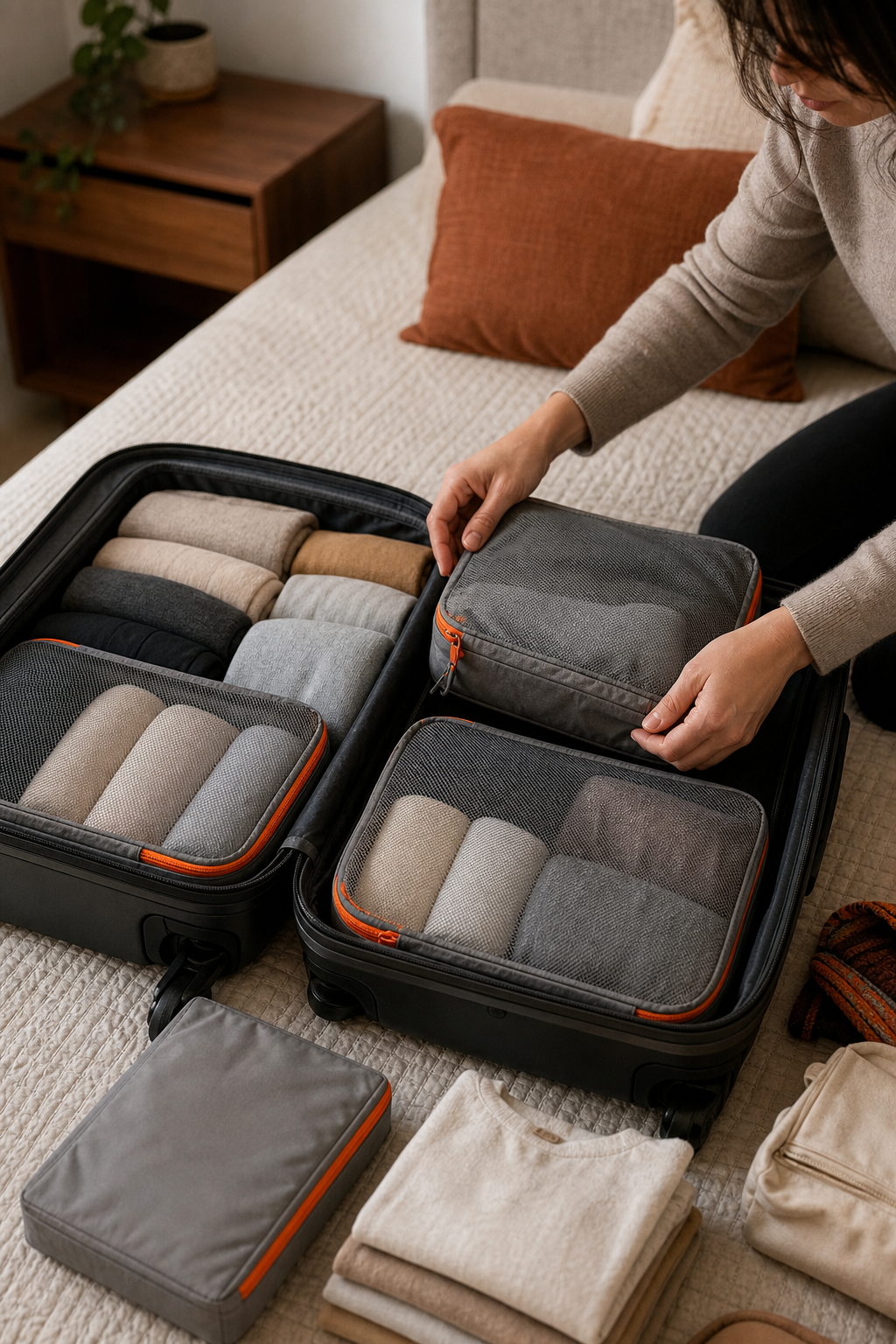
How you put things in the bag matters almost as much as what you put in. The goal is to use every cubic inch without going over your weight limit.
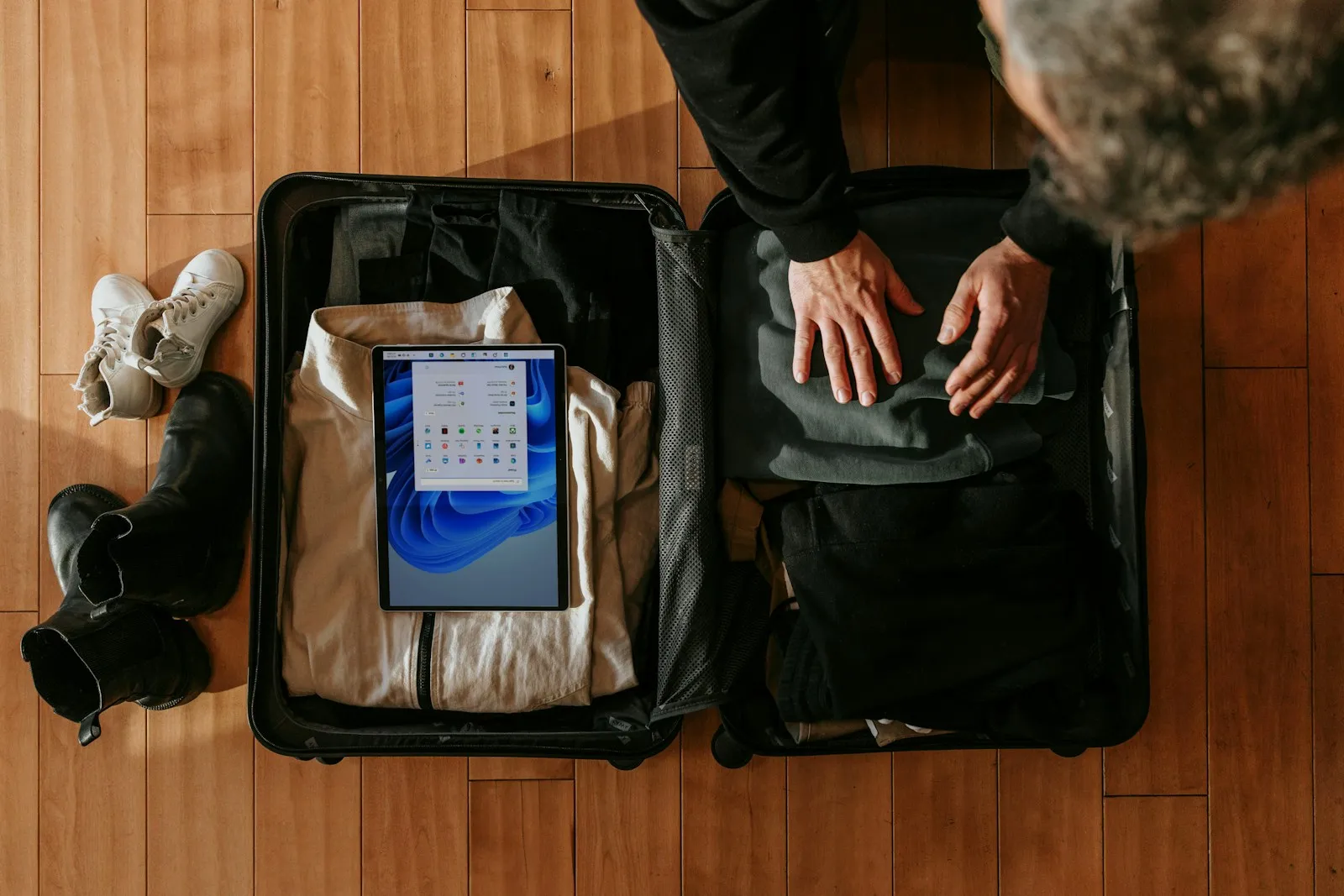
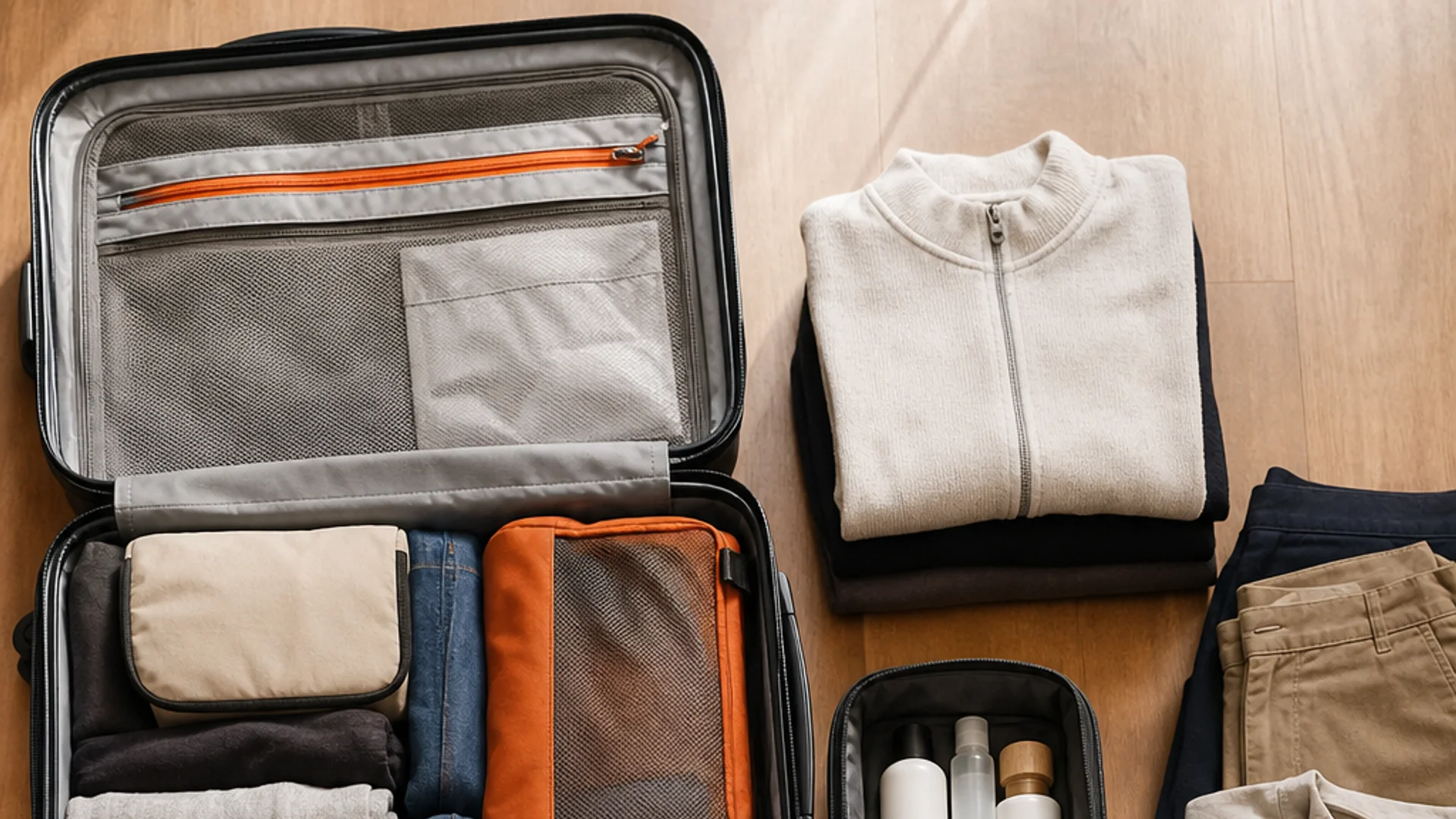
Compression packing cubes are the single most useful tool here. They compress your clothes into a smaller volume and keep everything organized by category. One cube for bottoms, one for tops, one small cube for underwear and socks. When you arrive at a new hotel, you pull the cube out and put it in a drawer. No unpacking, no repacking, no leaving a sock behind.
Rolling clothes is generally more space-efficient than folding for soft items like t‑shirts, underwear, and lightweight trousers. For structured items like a blazer or jeans, folding flat works better. Stuff socks inside shoes to use that dead space.
Pack heaviest items closest to your back (or the wheels, if it’s a roller). Shoes go at the bottom. Clothes fill the middle. Your toiletry bag and electronics go on top where you can reach them at security without digging.
Then weigh the whole thing. Most kitchen scales go up to 5 kg, which isn’t enough. A portable scale can help you check your bag’s weight. According to Wikipedia’s overview of baggage allowances, carry‑on weight limits vary significantly between carriers, with budget airlines often enforcing stricter limits than legacy carriers. If you’re over, the first things to pull are the shoes (wear the heaviest pair) and any “just in case” items you haven’t actually needed on past trips.
Key Takeaway: Weigh your bag before you leave home. Guessing your bag weight is how you end up paying gate‑check fees or frantically repacking at the airport.
One smart move: if you’re flying somewhere and booking early, timing your flights well can give you more flexibility on bag policies. The timing of your booking affects both price and the fare class you land in, which sometimes determines whether carry‑on is included or costs extra. Worth checking before you commit to a ticket.
Packing light only works if you’re willing to re-wear and wash on the road. This is the part people resist the most, and it’s the part that makes everything else possible.
The items worth washing most often are underwear, socks, and lightweight tops. These dry fast and are easy to rinse in a hotel sink. Bring a few packets of laundry detergent or a small bar of soap. Wash at night, hang to dry, and by morning they’re done. Merino wool items dry particularly fast, which is why they show up in almost every light-packing guide.
For bottoms, re-wearing 2-3 times before washing is normal. Jeans especially. Wear a panty liner every day if that helps you feel fresh while extending wear between washes. It’s usable, not gross.
If your trip runs longer than 10 days, plan to do a full wash of your clothing once using a local laundry service or the hotel’s facilities. Allocate about an hour and a modest budget for detergent or service fees. A complete wash cycle refreshes your wardrobe. If drying facilities are limited, you can hang damp clothes in your room to air‑dry.
Accessories are your best friend for making the same outfit look different in photos. Two or three scarves, a few pairs of earrings, and a couple of necklaces add almost no weight and change the whole look of a top. Nobody at home will notice you wore that black shirt four times if you styled it differently each time.
On the way home, if you’ve picked up souvenirs, use your personal item to carry the overflow. A small extra bag packed flat at the bottom of your carry‑on adds minimal weight and provides additional space for the return trip. The Dream Book Travel Qatar itinerary is a good example of a destination where you’ll likely pick up a few things worth bringing back, so planning for that extra space in advance is worth it.
The one honest trade-off: you won’t have every outfit option you’d have with a checked bag. You’ll wear things more than once. You’ll do a little sink laundry. In exchange, you skip baggage fees, you never wait at a carousel, and you never lose your bag to an airline. Most people who try carry-on-only travel say they’d never go back. We’d agree with that.
At Dream Book Travel, we write about packing strategy as part of a broader set of trip-planning guides. If you’re building an itinerary and want help thinking through what you’ll actually need day by day, the destination guides on the site are a good starting point.
Yes, most travelers can pack for two weeks in a carry on by building a capsule wardrobe of mix-and-match neutrals, re-wearing bottoms 2-3 times, and doing light sink laundry every few days. The formula is roughly 7 bottoms and 12-14 tops for a 14-day trip, plus 3 pairs of shoes and a compact toiletry bag that fits TSA’s 3-1-1 liquid rules.
Most travelers use a carry on in the 40-45 liter range, roughly 22 x 14 x 9 inches, paired with a personal item like a backpack that fits under the seat. Check your specific airline’s size and weight limits before you buy a bag, since budget carriers often enforce stricter limits than full-service airlines.
Wash underwear, socks, and lightweight tops in the hotel sink every 2-3 days using laundry detergent. Hang items overnight and they’re dry by morning, especially merino wool fabrics. For longer trips, you can do a full hand wash in the sink. This approach lets you pack about half the clothes you’d otherwise bring.
The TSA’s 3-1-1 rule requires all liquids, gels, and aerosols to be in containers of 3.4 oz (100ml) or less, all placed in one quart-sized clear zip-top bag, one bag per passenger. This applies to shampoo, conditioner, sunscreen, body wash, toothpaste, and similar products. Solid alternatives like shampoo bars bypass this rule entirely.
Three pairs is the standard limit for a two-week carry-on trip. Wear the bulkiest pair on travel days to save space. Choose shoes that compress or flatten, like knit sneakers or leather sandals. Avoid high heels or rigid boots unless they’re the only footwear for a specific activity, since they don’t pack efficiently.
Layer rather than duplicate. Pack a base layer, a mid-layer like a cardigan, and a waterproof outer layer. These three pieces handle a wide temperature range without tripling your clothing count. Jeans work in both cool and warm weather. Check the forecast for every stop on your itinerary and adjust before you leave, not after you land.
The first carry-on-only trip is always the hardest. You’ll probably over-pack a little, then realize at the end of the trip which items you never touched. Write those down. Next time, leave them home. The system gets tighter with every trip. If you want more help planning the actual itinerary once your bag is sorted, the destination guides at Dream Book Travel break down exactly what to do, what to skip, and what things actually cost on the ground. Start with wherever you’re headed next.
Compression packing cubes worth buying, chosen from tested rankings and one-bag traveler picks: our top set, honest trade-offs, and who should skip them.
A Manta Sleep mask review of the original, PRO, Silk, Weighted, and Cool: what each costs, who it suits, and the honest trade-off before you buy.
Luggage sets worth buying, chosen from tested rankings and real owner reviews: our top pick, honest trade-offs, and who should skip a set entirely.